

By David Perez
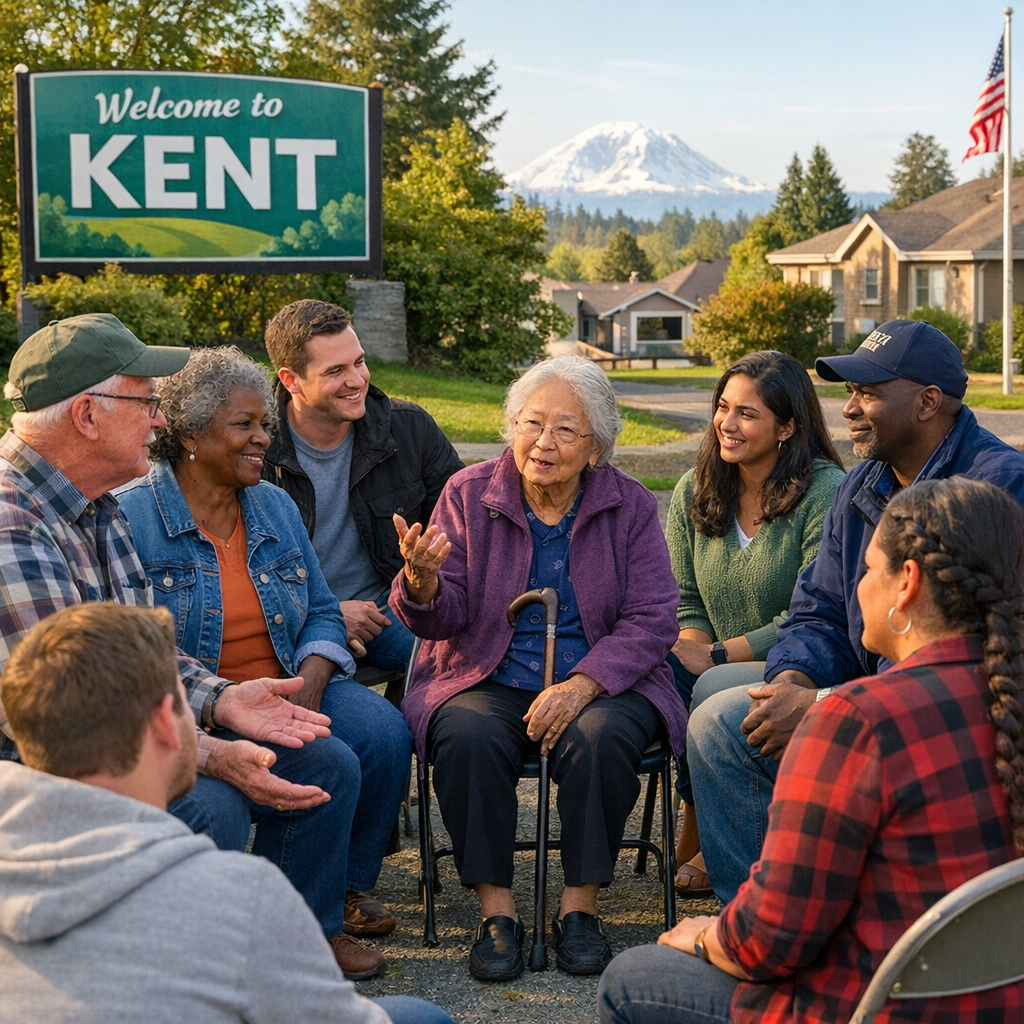
A City of Many Communities, Few Voices
Kent is one of the most diverse cities in Washington state. Neighborhoods vary widely—not just in demographics and incomes, but in priorities, challenges, and sense of identity. From East Hill to the Kent Valley, from West Hill to South Kent, each area faces different issues: safety, traffic, affordable housing, environmental concerns, or access to transit. Yet too often decisions are made in city hall without those differences being fully heard or reflected.
The Problem with Centralized Decision-Making
When city-wide policies are developed as though Kent is one homogeneous place, smaller or marginalized neighborhoods often lose out. For example, land use, zoning, or budget choices may overlook areas less connected to power—those with newcomers, renters, limited English speakers, or few local institutions. Without strong mechanisms for neighborhoods to shape decisions, trust erodes, and so does civic engagement.
Neighborhood-Based Representation: What It Could Look Like
One solution gaining traction is district-based representation, assigning city council seats to specific areas. That model ensures each neighborhood has a council member accountable first to its residents. It means voices from all over Kent—East Hill, West Hill, the Valley—get more consistent, empowered input.
Beyond council seats, other tools can help:
- Regular neighborhood councils that influence planning, safety, parks.
- Community development organizations that work directly with residents.
- Inclusive civic outreach, with translation of materials, meetings in accessible locations, and peer-led forums.
What Residents Can Do
If you feel your neighborhood’s voice isn’t being heard, here are steps to take:
- Attend city council meetings and speak during public comment.
- Get involved with your community’s nonprofit or development collaborative.
- Support candidates who prioritize neighborhood needs.
- Start informal neighborhood associations—door-knocking, block meetings, shared social media groups.
Why It Matters for All of Us
Strong neighborhood voices don’t just help those areas—they help Kent as a whole. When more residents engage, when the loudest voices aren’t the only ones heard, Kent’s policies become smarter, more equitable, and more sustainable. Decisions about housing, parks, transit, public safety—they all work better when they reflect what real people who live in real neighborhoods say.
Ultimately, city governance should match the city’s diversity. If we don’t lift up local voices now, we’ll keep living with policies shaped by the few, rather than by the many.