

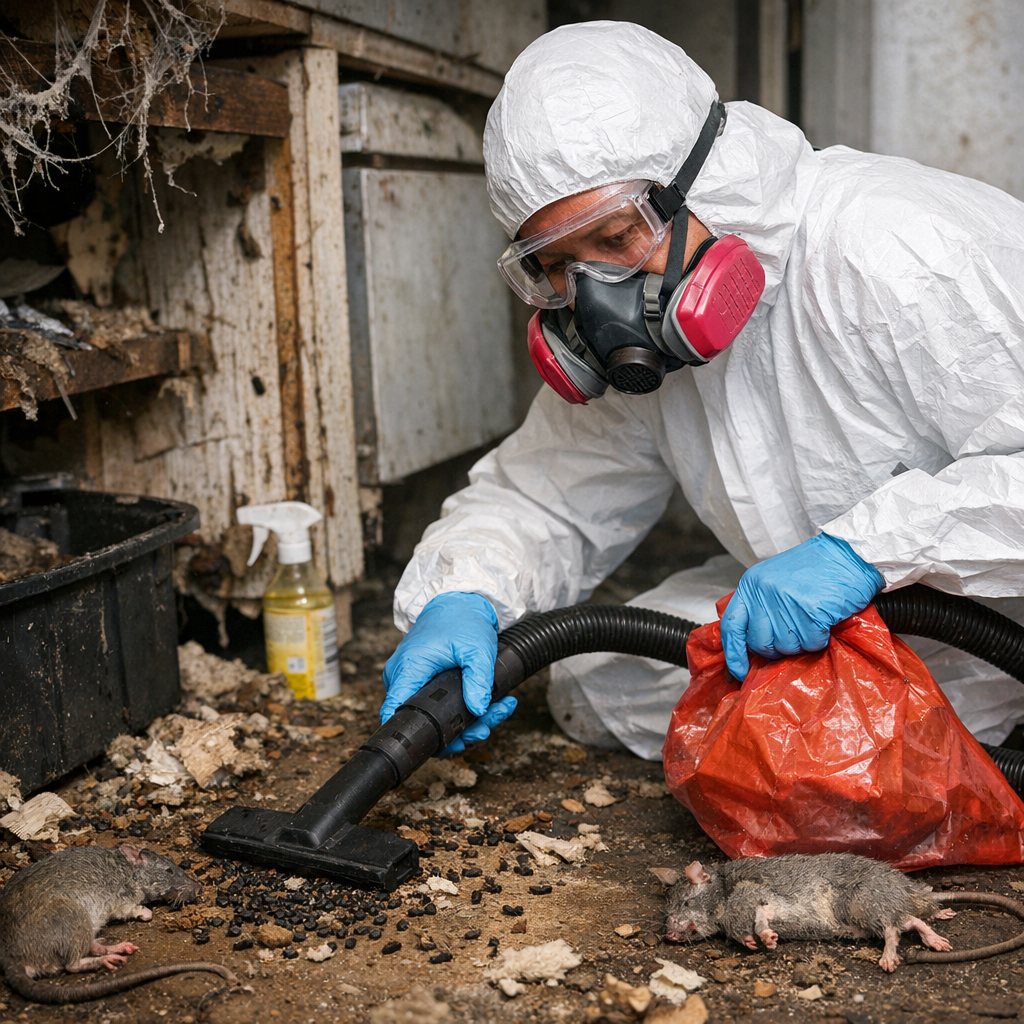
Recent reports have highlighted cases of hantavirus infections in various parts of the United States. While these instances are relatively rare, it’s essential to understand what hantavirus is, how it spreads, and the steps you can take to prevent infection.
What is Hantavirus?
Hantavirus is a group of viruses primarily carried by rodents. In the U.S., the most common strain is the Sin Nombre virus, which can lead to Hantavirus Pulmonary Syndrome (HPS), a severe respiratory disease.
How is it Transmitted?
Humans can contract hantavirus through:
- Inhalation of airborne particles contaminated with rodent urine, droppings, or saliva.
- Direct contact with these materials.
- Bites from infected rodents (though rare).
Symptoms to Watch For
Early symptoms, appearing 1-5 weeks after exposure, include:
- Fever and chills
- Muscle aches
- Fatigue
- Nausea and vomiting
As the disease progresses, it can lead to severe respiratory distress, necessitating immediate medical attention.
Preventive Measures
To reduce the risk of hantavirus infection:
- Seal gaps and holes in your home to prevent rodent entry.
- Store food in rodent-proof containers.
- Keep your living area clean and free of rodent attractants.
- Use protective gear when cleaning areas with potential rodent activity.
While hantavirus infections are uncommon, staying informed and taking preventive steps can help safeguard your health and that of your loved ones.